The industries changed. The role did not.
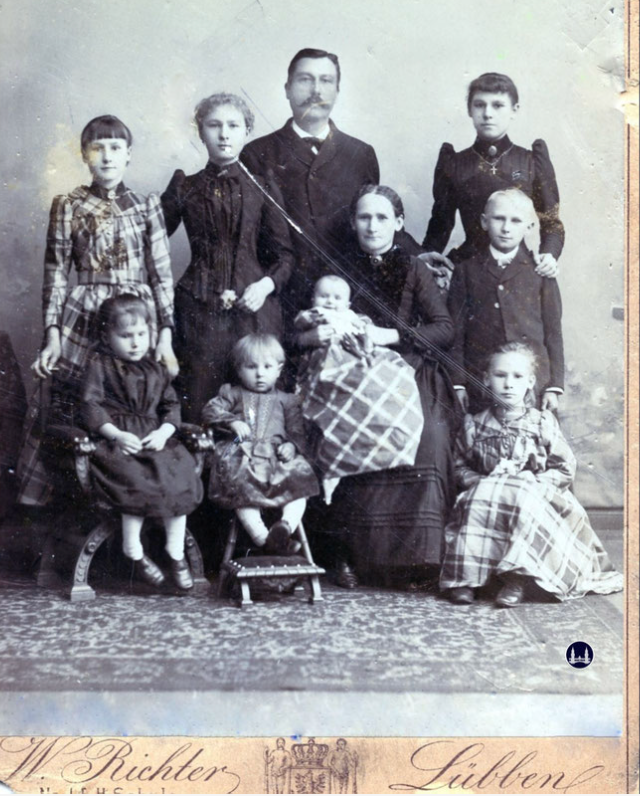
She bought an ironing shop before telling her husband about it.
In late 19th-century Berlin, Martha Schröter (born Ewald) developed the small shop into the Berliner Hauswäscherei. She expanded its premises, introduced steam-powered equipment and built a delivery operation. At its height, it was said to have become Berlin’s second-largest laundry.
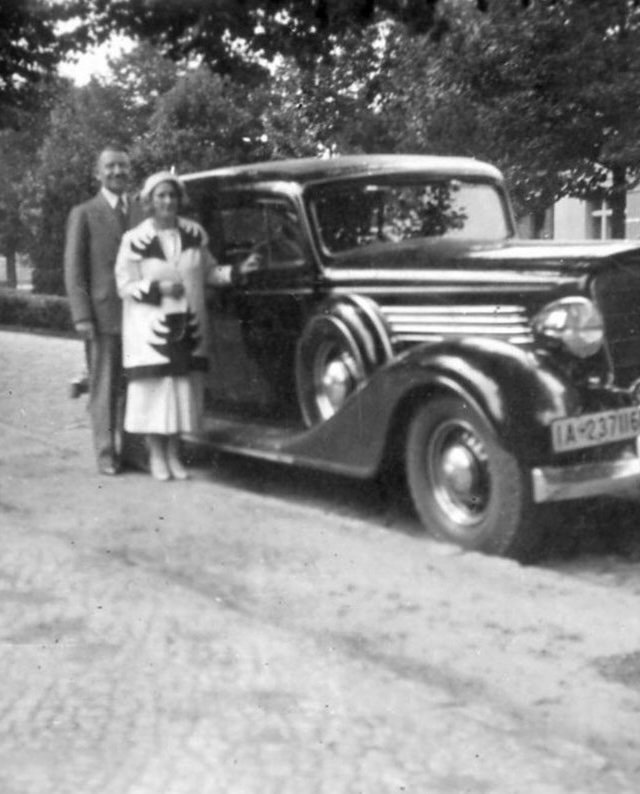
He wasn’t a chemist. Yet he built a battery manufacturer.
In 1921, Bruno Krüger entered the battery business in Berlin. With chemist Walter Koch, he developed Koch & Krüger into a manufacturer employing around 200 people by 1928. Through acquisitions and integration, it later became Germany’s third-largest dry-cell battery manufacturer.
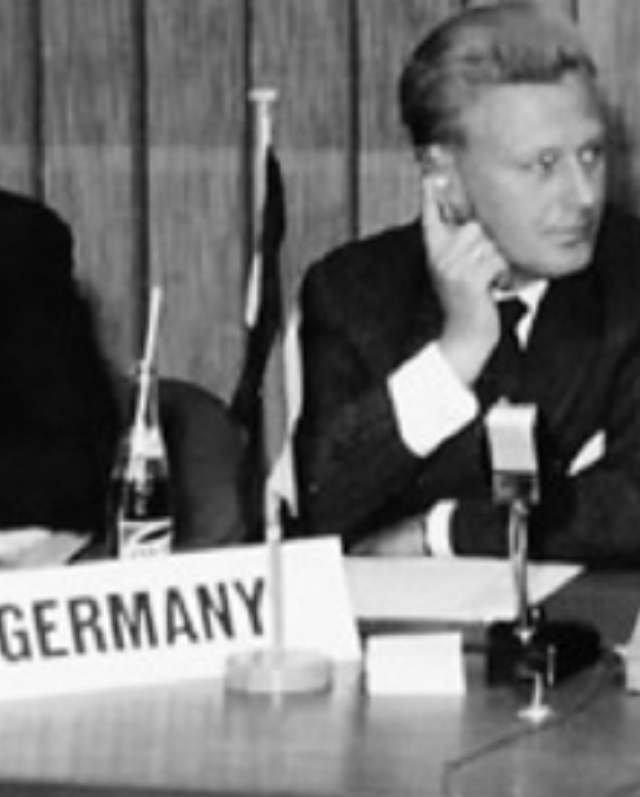
At 40, he was already on the board of a bank.
His banking career led to the boards of Bank für Brau-Industrie and Deutsche Länderbank. In 1980, with fellow board member Leo Uhen, he founded Krüger & Uhen — among Germany’s early independent M&A firms. They later sold it to Bankhaus Lampe.
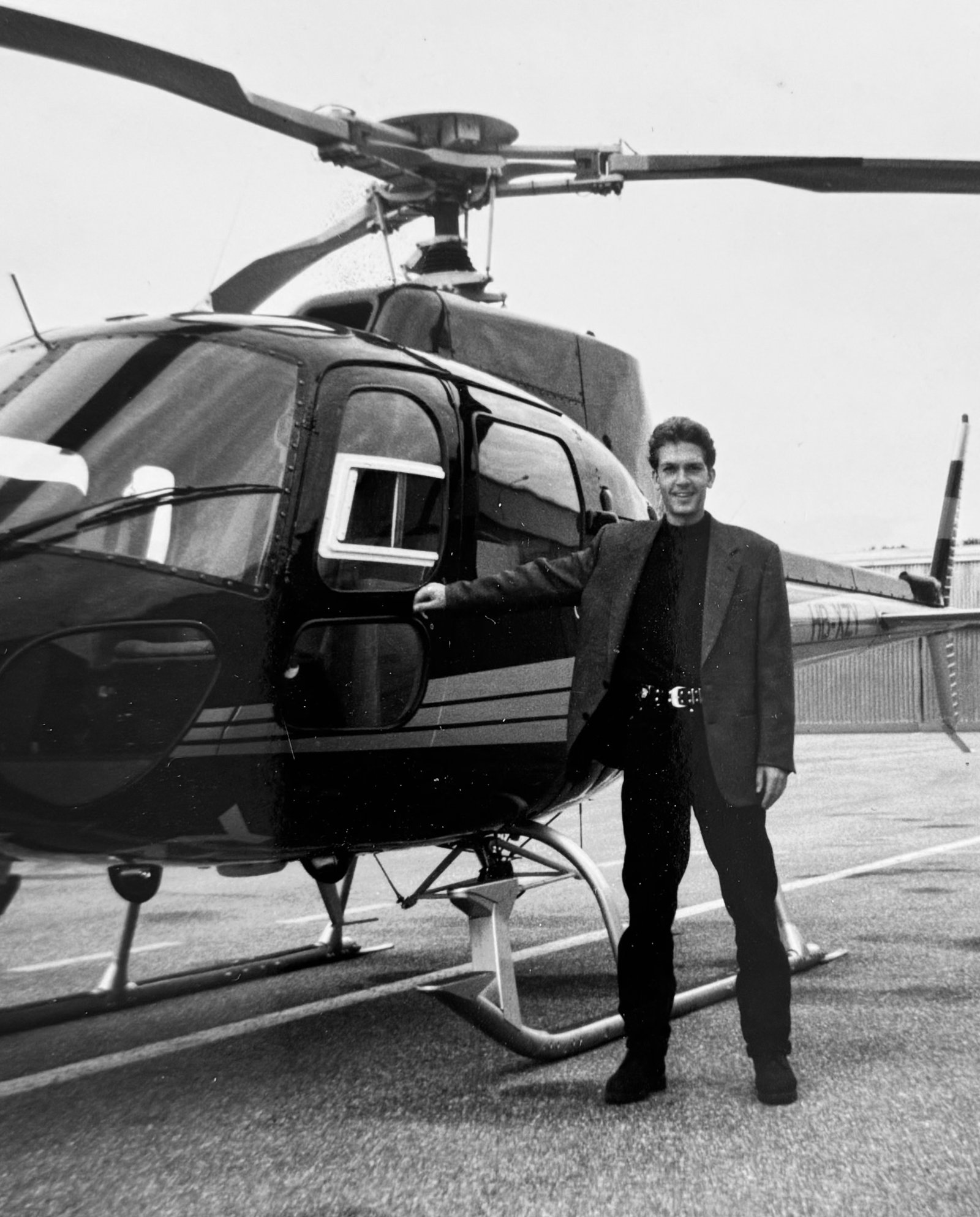
He dreamed of flying. So he started investing and saving.
Using those profits and family capital, he acquired the distressed Heli Unionair and took it to No. 1 in Germany. By day, he ran the company. At night, he studied economics, psychology and aviation. A profitable exit was within reach. Then 9/11 hit. After two decades of repair, he is writing the next chapter at Runway Assets — reshaping aviation through technology.
Not the company.
Not the industry.
Not the business model.
Businesses changed. The role did not.
The willingness to take responsibility remained.
For people. For business. For structure.
The current form.
As owners. On our own or alongside others.
Generations of entrepreneurs. Each in its own time. In its own industry.
Different businesses. Same DNA.
The next chapter is theirs.
They are already shaping their own story.